
ARTIFICIAL INTELLIGENCE WITH MACHINE LEARNING
5
1
02 months
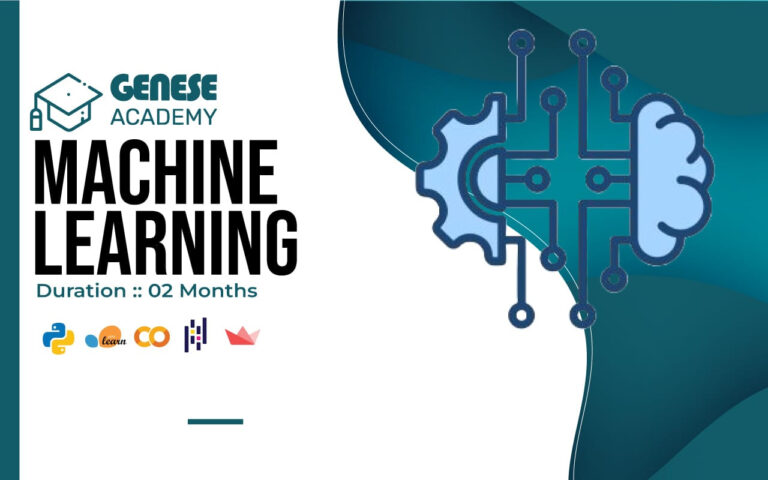
Artificial Intelligence with Machine Learning – Complete Overview
What is Artificial Intelligence (AI)?
Artificial Intelligence (AI) is a branch of computer science that focuses on creating intelligent systems capable of performing tasks that normally require human intelligence. These tasks include decision-making, problem-solving, speech recognition, image analysis, and language understanding.
What is Machine Learning (ML)?
Machine Learning is a subset of AI that allows systems to learn from data and improve their performance over time without being explicitly programmed. It uses algorithms and statistical models to identify patterns and make predictions based on data.
How AI and ML Work Together
AI provides the overall intelligence framework, while Machine Learning provides the ability for systems to learn from data. Together, they enable machines to analyze large datasets, recognize patterns, and make smart decisions automatically.
Key Types of Machine Learning
Machine Learning is mainly divided into supervised learning, unsupervised learning, and reinforcement learning. Each type is used for different problem-solving approaches such as classification, clustering, and decision-based learning.
Tools and Technologies
AI and ML development uses tools and technologies such as Python, TensorFlow, PyTorch, Scikit-learn, and data visualization libraries. These tools help in building, training, and testing intelligent models.
Real-World Applications
AI with ML is used in many industries including healthcare (disease detection), finance (fraud detection), e-commerce (recommendation systems), transportation (self-driving cars), and customer support (chatbots).
Importance of AI & ML
AI and ML are transforming the modern world by automating tasks, improving accuracy, and making systems smarter. They help businesses make better decisions, reduce costs, and increase efficiency.
Career Opportunities
This field offers high-demand career roles such as AI Engineer, Machine Learning Engineer, Data Scientist, Data Analyst, and Research Scientist. It is one of the fastest-growing and highest-paying fields in technology.
Learning at Pakistan No.1 IT Training Institute
At our Pakistan No.1 IT Training Institute in Arfa Tower, Lahore, students receive professional and practical training in Artificial Intelligence with Machine Learning. We focus on real-world projects, coding practice, and industry tools to prepare learners for freelancing, jobs, and global tech careers.
Conclusion
Artificial Intelligence with Machine Learning is a powerful and future-driven field that is shaping the modern digital world. With proper training and hands-on experience, students can build strong technical skills and achieve successful careers in the global technology industry.
Key Takeaways
- Strong understanding of Machine Learning fundamentals
- Hands-on experience with real-world data using Python
- Data analysis skills using Pandas
- Model building and evaluation with Scikit-learn
- Practical work on projects using Google Colab
- Ability to create simple web apps using Streamlit
- Problem-solving skills with real-world applications
- Foundation for career in AI & Data Science
👥 Who Should Attend
- Matric (school-level) students interested in technology
- Intermediate (college-level) students exploring IT fields
- Graduation students from any discipline
- Beginners with no prior programming experience
- Anyone interested in Machine Learning and Data Science
- Individuals looking to start a career in AI or tech industries
Meet Our Instructor
Skills Covered
- Machine Learning Algorithms
- Machine Learning Algorithms
- Data Preprocessing & Cleaning
- Data Preprocessing & Cleaning
- Supervised & Unsupervised Learning
- Supervised & Unsupervised Learning
- Model Training & Evaluation
- Model Training & Evaluation
- Deep Learning Basics
- Deep Learning Basics
- Neural Networks
- Neural Networks
- Natural Language Processing (NLP)
- Natural Language Processing (NLP)
- Computer Vision
- Computer Vision
Tools Covered


Full-stack Course Syllabus
- Introduction to Machine Learning and its importance in modern technology
- Understanding how machines learn from data and make decisions
- Overview of Artificial Intelligence and its connection with Machine Learning
- Learning types of Machine Learning (Supervised & Unsupervised)
- Exploring real-world applications of Machine Learning
- Understanding Machine Learning as a subset of AI
- Learning how algorithms identify patterns and improve over time
- Introduction to model training and testing concepts
- Understanding how models are evaluated for performance
- Hands-on exposure to basic tools and libraries (Python, etc.)
- Learning how to build and apply simple Machine Learning models
- Developing a strong foundation for advanced ML concepts
- Introduction to Machine Learning fundamentals
- Understanding the importance of data preprocessing
- Overview of Artificial Intelligence and Machine Learning types
- Exploring real-world applications of Machine Learning
- Learning data cleaning techniques
- Handling missing values in datasets
- Encoding categorical data
- Applying feature scaling methods
- Practical implementation using Python
- Preparing datasets for Machine Learning models
- Building a strong foundation for further ML concepts
- Introduction to supervised learning in Machine Learning
- Understanding learning from labeled data
- Learning regression and classification techniques
- Working with algorithms like Linear Regression and Logistic Regression
- Understanding model training process
- Learning model evaluation methods
- Making predictions using trained models
- Measuring model performance on real-world datasets
- Hands-on practice using Python
- Building and evaluating supervised learning models effectively
- Introduction to Linear Regression and its importance
- Understanding the concept of predicting continuous values
- Learning how to find relationships between variables
- Working with simple and multiple Linear Regression
- Understanding the regression line and coefficients
- Training Linear Regression models using Python
- Making predictions using real-world datasets
- Evaluating model performance using basic metrics
- Hands-on practice with datasets
- Building a strong foundation in regression techniques
Here’s a clean and professional version:
- Introduction to classification in Machine Learning
- Understanding how to predict categorical outcomes
- Learning the difference between classification and regression
- Working with algorithms like Logistic Regression
- Understanding binary and multi-class classification
- Training classification models using Python
- Making predictions on real-world datasets
- Evaluating models using accuracy and other metrics
- Hands-on practice for better understanding
- Building a strong foundation in classification techniques
- Introduction to K-Nearest Neighbors (KNN) algorithm
- Working on a practical Machine Learning project
- Understanding distance-based classification techniques
- Learning how to choose the optimal value of K
- Applying feature scaling for better model performance
- Implementing KNN using Python and Scikit-learn
- Training models on real-world datasets
- Evaluating model accuracy and performance
- Gaining hands-on experience with real data
- Completing a mini project using KNN
- Applying Machine Learning concepts to real-world problems
- Introduction to Decision Tree algorithm
- Understanding its use in classification and regression tasks
- Learning how decision trees work
- Exploring splitting criteria (Gini Index and Entropy)
- Understanding tree structure and decision-making process
- Learning about overfitting and how to control it
- Implementing Decision Trees using Python and Scikit-learn
- Building and visualizing decision tree models
- Training models on real-world datasets
- Evaluating model performance
- Gaining hands-on experience with practical implementation
- Introduction to Random Forest algorithm
- Understanding ensemble learning and its benefits
- Learning how Random Forest combines multiple decision trees
- Exploring bagging (bootstrap aggregation) technique
- Understanding feature selection in Random Forest
- Learning how it reduces overfitting and improves accuracy
- Implementing Random Forest using Python and Scikit-learn
- Training models on real-world datasets
- Evaluating model performance
- Applying Random Forest for classification and regression tasks
- Gaining practical hands-on experience
- Introduction to model evaluation in Machine Learning
- Understanding the importance of evaluating model performance
- Learning classification metrics (accuracy, precision, recall, F1-score)
- Understanding regression error metrics
- Exploring concepts of overfitting and underfitting
- Learning cross-validation techniques
- Testing models using Python and Scikit-learn
- Improving model performance through evaluation
- Analyzing results on real-world datasets
- Selecting the best-performing model effectively
- Gaining practical hands-on experience
- Introduction to performance metrics in Machine Learning
- Understanding the importance of evaluating model effectiveness
- Learning classification metrics (accuracy, precision, recall, F1-score)
- Understanding regression metrics (MAE, MSE, RMSE)
- Learning about confusion matrix and its interpretation
- Comparing model performance using different metrics
- Implementing evaluation techniques using Python and Scikit-learn
- Analyzing and interpreting model results
- Improving model effectiveness based on performance metrics
- Gaining hands-on experience with real-world datasets
- Introduction to Feature Engineering in Machine Learning
- Understanding its importance in improving model performance
- Learning feature selection and feature extraction techniques
- Encoding categorical variables for model use
- Applying scaling and normalization methods
- Creating new features from existing data
- Understanding the impact of features on model accuracy
- Implementing feature engineering using Python and Pandas
- Preparing and transforming datasets effectively
- Building better and more accurate Machine Learning models
- Gaining hands-on practical experience
- Introduction to a complete Machine Learning mini project
- Applying knowledge of data preprocessing and feature engineering
- Performing feature selection for better model performance
- Building Machine Learning models using real-world datasets
- Evaluating model performance using appropriate metrics
- Using tools like Python, Pandas, and Scikit-learn
- Understanding the full ML workflow from start to finish
- Gaining hands-on practical project experience
- Developing problem-solving and analytical skills
- Creating a complete project for portfolio showcase
- Introduction to Machine Learning model deployment
- Understanding how to convert models into real-world applications
- Creating simple user interfaces for ML projects
- Learning to use Streamlit for building web apps
- Integrating trained models into applications
- Deploying projects for online access via web browser
- Sharing projects with others professionally
- Gaining hands-on experience in deployment
- Showcasing projects in a professional way
- Preparing for real-world ML and freelancing work
- Introduction to real-world applications of Machine Learning
- Exploring industry use cases of ML
- Understanding recommendation systems
- Learning fraud detection techniques
- Introduction to image recognition concepts
- Understanding predictive analytics
- Exploring applications in business, healthcare, and technology
- Demonstrating practical examples using Python
- Understanding how ML solves real-world problems
- Gaining insights into industry-level implementations
- Introduction to the final comprehensive Machine Learning project
- Applying all concepts learned throughout the course
- Performing data preprocessing and feature engineering
- Selecting and building appropriate Machine Learning models
- Training and evaluating model performance
- Deploying the project using tools like Streamlit
- Working with real-world datasets
- Using Python, Pandas, and Scikit-learn for implementation
- Presenting the final project professionally
- Demonstrating problem-solving and practical skills
- Creating a complete portfolio-ready project
- Introduction to freelancing in Machine Learning
- Understanding how to earn using ML skills
- Learning to create a strong portfolio
- Writing effective proposals for clients
- Finding clients in the freelancing market
- Building professional profiles on platforms (Fiverr, Upwork)
- Showcasing projects built with Python and ML tools
- Learning pricing strategies for services
- Understanding client communication and requirements
- Delivering quality work professionally
- Preparing to start freelancing and earning
Job Success Stories
- Success Story

Ayesha Web Developer Success Story: How She Built a Professional Tech Career with Genese Academy
Ayesha Khalid Success Story — From Beginner to Professional Web Developer at Genese Academy Lahore
- Full Stack Web Development
- 1000$
- Success Story

Ali Hassan
Social Media Manager Success Story: How Ali Earns $500 Monthly Social Media Manager Success Story
- Digital Marketing
- 500 USD
FAQS
The Artificial Intelligence with Machine Learning course is a professional program focused on building intelligent systems that can learn from data, make predictions, and solve real-world problems using modern AI techniques.
No. The course starts from basic concepts of programming, data, and mathematics, and gradually moves toward advanced AI and machine learning models, making it suitable for beginners.
Yes. A course completion certificate will be awarded after successful evaluation of your final project and performance assessment.
Yes. The course is offered in both online and physical formats. Students can choose to attend in-person classes or join live online sessions, allowing flexibility based on their preference and location.
No need to worry. All sessions are recorded and shared, so you can learn at your own pace and revisit any topic whenever needed.
Yes. The course is designed to build strong practical and theoretical skills required for careers in AI, machine learning, data science, and related fields.
Genese Academy offers expert-led training, real-world AI projects, and hands-on model building experience that helps students develop practical, industry-ready skills for modern AI careers.
The course is fully project-based, allowing students to work on real datasets, build machine learning models, and implement AI solutions using industry-standard tools and workflows.