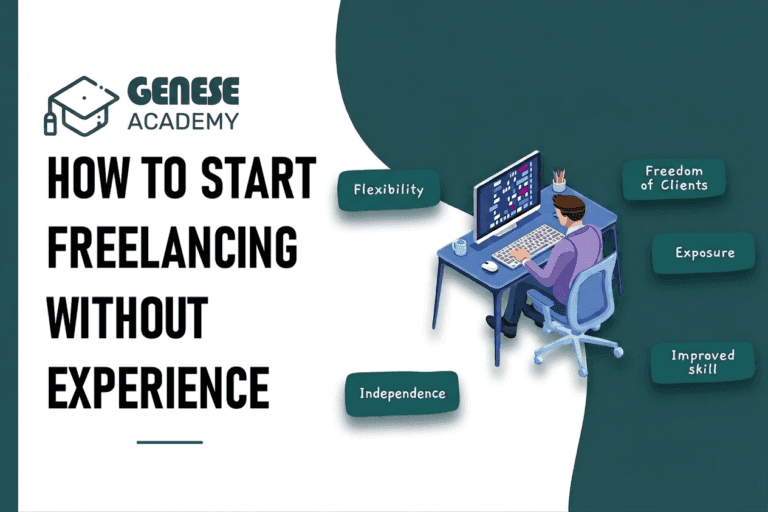
Freelancing is one of the fastest-growing ways to earn money online in 2026. Many students, beginners, and professionals are choosing freelance work because it offers flexibility, remote opportunities, and unlimited income potential. The best part is that you do not need years of experience to start freelancing. With dedication and smart planning, anyone can begin a freelance career from home.
What is Freelancing?
Freelancing means working independently for clients instead of working as a full-time employee for one company. Freelancers provide services such as graphic design, web development, content writing, video editing, social media marketing, SEO, and virtual assistance.
Clients hire freelancers for specific projects, and freelancers get paid for their work. Most freelance jobs are available online through freelancing platforms.
Can You Start Freelancing Without Experience?
Yes, absolutely. Every freelancer starts as a beginner. Clients mainly look for skills, communication, and problem-solving ability. Even if you have no professional experience, you can still get freelance work by showing sample projects and learning in-demand skills.
The key is to start small and improve gradually.
Step 1: Choose One Freelancing Skill
The first step is selecting a skill that you want to learn and offer as a service. Do not try to learn everything at once. Focus on one skill and become good at it.
Popular freelancing skills in 2026 include:
- Graphic Designing
- Web Development
- WordPress Website Design
- SEO Services
- Content Writing
- Social Media Management
- Video Editing
- Digital Marketing
- Virtual Assistant Services
- UI/UX Design
Choose a skill based on your interest and market demand.
Step 2: Learn the Skill Properly
You do not need a university degree to become a freelancer. Many successful freelancers learn through online courses, YouTube tutorials, and practice projects.
Spend at least 1 to 2 months learning your chosen skill. Practice daily and focus on real-world projects.
Important areas to improve:
- Communication skills
- Problem-solving
- Time management
- Client dealing
- Professional behavior
The more you practice, the more confident you become.
Step 3: Create a Portfolio
A portfolio is a collection of your work samples. Clients want proof that you can do the job. Even without experience, you can create sample projects yourself.
For example:
- Designers can create social media posts or logos
- Writers can write blog articles
- Web developers can design demo websites
- SEO experts can optimize sample pages
Upload your work on platforms like Behance, GitHub, LinkedIn, or your own website.
A strong portfolio increases your chances of getting freelance clients.
Step 4: Join Freelancing Platforms
Freelancing platforms help beginners connect with clients worldwide.
Popular freelancing websites include:
- Upwork
- Fiverr
- Freelancer
- PeoplePerHour
- Guru
Create a professional profile with:
- Clear profile picture
- Skill description
- Portfolio samples
- Professional bio
- Relevant keywords
Your profile should explain what service you provide and how you can help clients.
Step 5: Start with Small Projects
Beginners often make the mistake of waiting for large projects. Instead, start with small jobs to gain reviews and experience.
Small projects help you:
- Build confidence
- Improve communication
- Get positive ratings
- Understand client requirements
Even low-budget projects can help you grow initially.
Step 6: Learn How to Write Winning Proposals
A proposal is your message to the client. A good proposal increases your chances of getting hired.
Your proposal should include:
- Greeting the client professionally
- Understanding the project
- Explaining how you can help
- Mentioning relevant skills
- Keeping the message short and clear
Avoid copying generic proposals. Personalized proposals work better.
Step 7: Build Your Personal Brand
In 2026, personal branding is very important for freelancers. Clients trust freelancers who look professional online.
Ways to build your brand:
- Create a LinkedIn profile
- Share your work on social media
- Post helpful content
- Build a simple portfolio website
- Stay active in freelancing communities
A strong online presence helps attract more clients.
Step 8: Improve Continuously
Freelancing is competitive, so continuous learning is important. Trends and tools change quickly, especially in digital industries.
Keep improving your:
- Technical skills
- Communication
- Portfolio quality
- Client management
- Marketing knowledge
The more value you provide, the more you can charge.
Common Mistakes Beginners Should Avoid
Many beginners fail because of common mistakes such as:
- Learning too many skills together
- Giving up too early
- Copying others
- Ignoring communication skills
- Charging extremely low prices
- Not delivering work on time
Consistency and professionalism are the keys to success.
How Long Does It Take to Get Your First Client?
Some freelancers get clients within days, while others may take a few months. It depends on your skills, portfolio, and consistency.
If you continue learning, improving your profile, and sending proposals regularly, you will eventually get clients.
Patience is important in freelancing.
Conclusion
Starting freelancing without experience is possible in 2026 if you focus on learning the right skill and building a professional portfolio. Every successful freelancer started as a beginner. The main difference is consistency, practice, and continuous improvement. By choosing one skill, improving daily, and using freelancing platforms properly, you can build a successful freelance career from home and earn online confidently. At Genese Academy, students can learn in-demand digital skills and practical freelancing techniques to start their online earning journey successfully.
FAQs
Which freelancing skill is best for beginners?
Graphic design, content writing, WordPress development, and social media management are beginner-friendly freelancing skills.
Can students start freelancing?
Yes, students can start freelancing part-time and earn online while studying.
Do I need experience for freelancing?
No, you only need skills, practice, and a good portfolio to begin.
Which platform is best for beginners?
Fiverr and Upwork are popular freelancing platforms for beginners.
How much can beginners earn in freelancing?
Beginners can earn from small projects initially, and income increases as skills and experience improve.